





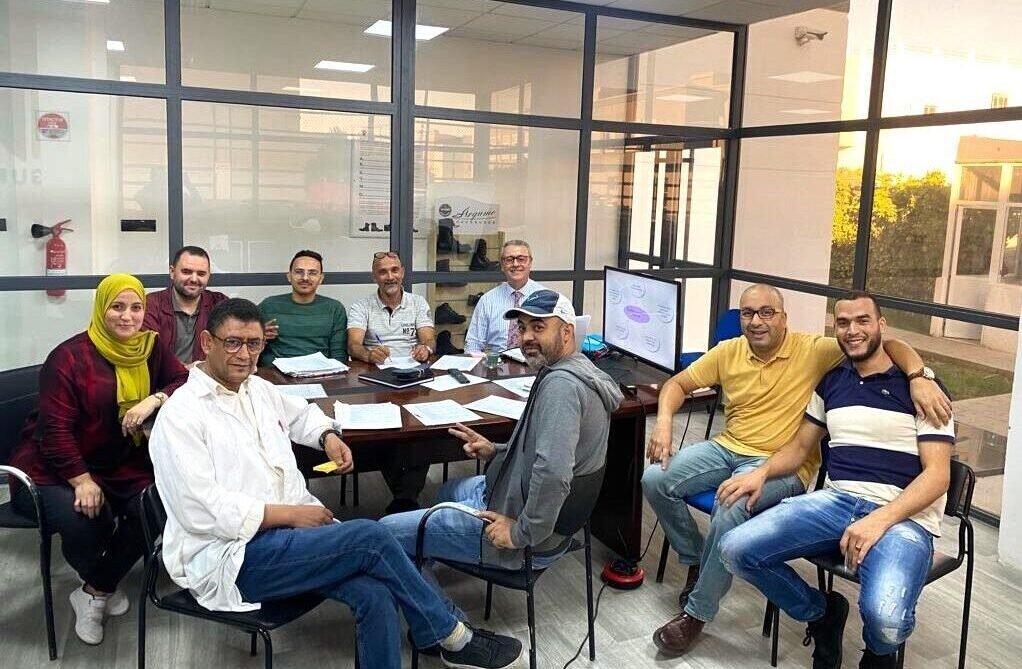
To maintain and adapt one's skills, or even to acquire new ones, professional training remains the ultimate way to succeed.
Argumo places a great deal of importance on team building and collaborative work. The goal is to improve the business expertise of our employees, enabling them to gain in-depth knowledge and update their practices.
However, setting up a good training program is not always easy. It requires practice and the right tools to make the task easier and to align the process of managing the training policy within our organization so that it is effective and in perfect harmony.
Step 1: Valuing the needs and ambitions of our teams
At Argumo, we rely on the development and growth of our key talent.
Our mission here consists of regularly monitoring technical, technological and organizational developments in the sector and the market in general, which have a direct impact on the company.
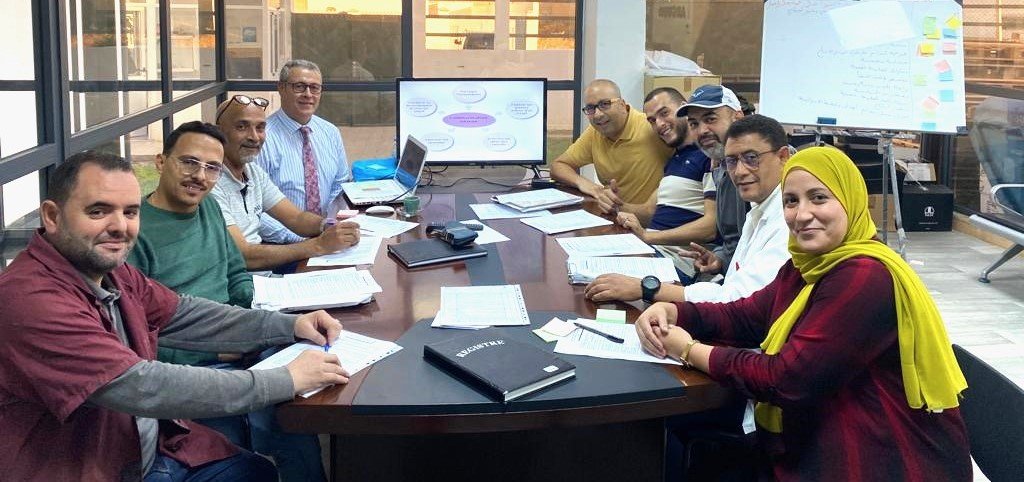
Step 2: Choice of courses
This includes the choice of participants by priority, the search for the different training courses available, the training format, or the availability of the trainer or the training manager, and it is the occasion to thank our partner GIAC Textile & Leather - Groupement interprofessionnel d'Aides au Conseil - for having accompanied us throughout the process of consolidation of our professional training policy.
Step 3: Implementation of training actions
Once the plan is validated, we move on to the planning of the practical training actions, which includes the training calendar, the design of the teaching materials, the registration of the participants to the different sessions...
Step 4: Evaluation of training activities
More concretely, it is a follow-up sheet to measure the relevance and effectiveness of the training courses followed. This allows us to have all the information and the context of each planned training.
- Questionnaire of satisfaction
- Skills developed
- History of training courses attended
- List of participants who have taken a training course
- Etc.
Individual competence is important, but it is sterile in the absence of a group dynamic. Offering training to increase collective performance is an effort we make on a daily basis to ensure the development of personnel and to equip them with the skills and competencies necessary to meet future challenges.